German Shepherd Suncatcher SVG: Designer Review
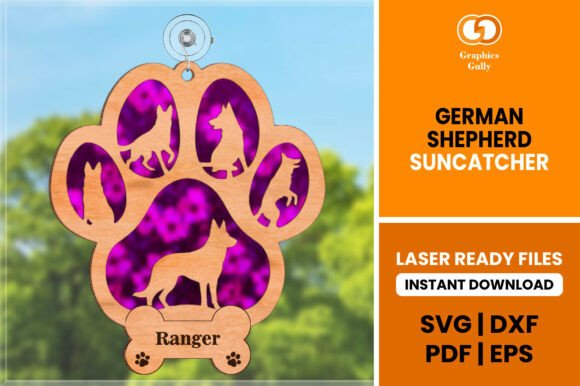
When I first opened the German Shepherd Suncatcher SVG, I was immediately struck by how clean and confident the silhouette feels. It’s not trying to be hyper‑realistic or cluttered with fur details. Instead, it captures the essence of the breed — the strong profile, the alert ears, the noble curve of the neck — in a bold, outline‑driven shape. That kind of visual clarity matters in embroidery. Whether you’re planning to stitch it as a standalone piece or adapt it into an applique design, what you see on screen translates directly to thread.
The design carries a warm, sentimental mood. It’s the kind of image that makes a German Shepherd owner smile before a single stitch is sewn. For my own work, I immediately thought of a custom tote bag project I had coming up — a gift for a friend whose nine‑year‑old shepherd, Max, is the king of their household. The Suncatcher SVG felt like the perfect starting point for an embroidered tribute: recognizable, personal, and refined enough to feel like a boutique product rather than a clip‑art leftover.
First Impressions: Shape, Theme, and Embroidery Potential
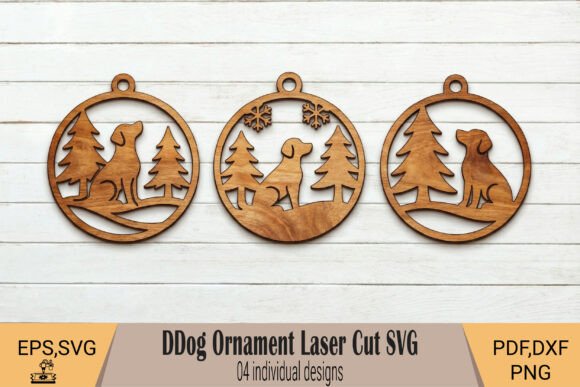
At first glance, the German Shepherd Suncatcher SVG presents as a single, cohesive outline with interior cutout details typical of a laser‑cut suncatcher — eye, ear line, mouth, and a subtle collar area. As an embroidery design, that simplicity works in your favor. The clean edges are ideal for satin stitch, running stitch outlines, or even a turned‑edge applique. The shape has enough character to be instantly recognizable without demanding unrealistic stitch density.
I tested it mentally against several common project types: a patch, a tote bag, a sweatshirt, and a pillow cover. In every case, the design held its own. The moderate level of detail means it will read clearly at a reasonable hoop size — probably in the 4x4 to 5x7 inch range — and it won’t bog down a single‑needle machine with excessive jumps or trims.
Because it is marketed for laser cutting and ornaments, some of the interior cutouts are purely negative space. For embroidery, you have options: you can stitch them as open space (letting the fabric show through), fill them with a contrasting thread color, or convert them into applique windows. I lean toward a filled satin stitch in a lighter tone to mimic the “cutout” effect while keeping the structure stable.
A Real Case: The Tote Bag Project
Let me walk you through how I actually used this design. The tote was a natural cotton canvas — medium weight, not too textured, good for a beginner‑friendly embroidery project. I hooped a cutaway stabilizer, floated the bag on top, and stitched a test run on scrap denim first. That test saved me from a small mistake: on the first pass, I used a black thread that was too thin, and the inner ear detail got lost against the dark fabric. Switching to a medium grey for the outline and a soft cream for the interior fill made the silhouette pop immediately.
Once the test was good, I stitched the final tote using a pearl‑white thread for the outline and a warm charcoal for the fill. The finished piece looked like a boutique item a customer would pay premium for. My friend teared up seeing it. That’s the kind of response that makes custom embroidery worth doing — and it’s exactly what the German Shepherd Suncatcher SVG delivers when you treat it with care.
Where This Design Shines in Real Embroidery
The German Shepherd Suncatcher SVG is versatile enough for a wide range of finished products:
- Custom apparel – Sweatshirts, t‑shirts, and caps. The bold outline reads well from a distance, making it ideal for chest or back placement.
- Tote bags and aprons – The moderate size and clear shape work beautifully on canvas or twill. Perfect for gift shops or small produce stands.
- Embroidered patches – A satin‑stitch border around the design turns it into a sew‑on or iron‑on patch for jackets, backpacks, or dog harnesses.
- Pillow covers and tea towels – A single placement on a linen pillow or a kitchen towel adds personalized charm without overwhelming the fabric.
- Holiday and nursery decor – That sentimental pet‑owner connection makes it a strong choice for Christmas ornaments, baby blankets, or memorial pieces.
- Small shop merchandise – Etsy sellers and craft fair vendors can use this as a bread‑and‑butter design for dog‑loving customers. The simple shape also works well in printable mockups for digital product previews.
High‑contrast thread colors are your best friend here. On light fabrics like cream, heather grey, or pastel pink, a dark charcoal or navy outline creates instant readability. On dark fabrics — black, navy, forest green — use a bright white, gold, or even a metallic thread for the outline, then consider a lighter fill tone. The design’s inherent contrast makes it flexible.
Where to Be Careful: Use with Attention
No design is perfect for every situation. Here’s where the German Shepherd Suncatcher SVG needs thoughtful handling:
- Small hoop sizes – If you try to squeeze it into a 3x3 inch hoop, the interior details (eye, ear separation) may become too narrow for clean stitches. Stick to at least a 4x4, and test the scaled‑down version on scrap first.
- Textured or stretchy fabrics – Fleece, knit, or thin jersey can distort the outline if not stabilized properly. Use a tear‑away or cutaway stabilizer, and consider a water‑soluble topper for nap or pile fabrics.
- Very thick fabrics like denim or quilted materials – The needle penetration may cause the fabric to pucker if the stitch density is too high. If you fill the interior with a dense satin, you might need to reduce density or switch to a running stitch outline only.
- Curved surfaces like caps – The design’s shape is mostly flat and broad, so it can be tricky to align perfectly on a curved cap front. Test placement on a practice cap before committing.
- Frequent washing – If you stitch it on a tea towel or baby item that will see heavy laundering, use a quality stabilizer and thread that can withstand repeated washing. The simple outlines hold up well, but dense fills may shrink or pucker over time.
Also keep in mind that the design was originally created for laser cutting, so some elements may assume material removal. In embroidery, you’re adding material. That shift in approach means you should always check your stitch simulation before stitching a final product. Look for small points that might clip, narrow gaps that could fill with thread, and areas where the fabric color should show through.
Visual Value and Customer Trust
What makes a handmade product feel professional? Clean stitching, good contrast, and a design that respects the fabric. The German Shepherd Suncatcher SVG pulls its weight on all three. Its shape is unmistakably a German Shepherd — not a generic dog — which builds trust with breed‑specific customers. When someone sees that silhouette on a tote bag or a sweatshirt, they know immediately that it was created with intention. That recognition translates into willingness to pay a fair price.
For craft business owners and Etsy sellers, this design is low‑risk: it stitches quickly, uses few thread colors, and fits within common hoop sizes. You can offer it as a personalized gift option without worrying about long machine run times or excessive thread changes. The clean aesthetic also photographs well for product listings, both as an actual sewn item and as a printable mockup. That kind of versatility is gold for a small shop.
Practical Designer Notes Before You Stitch
Whether you’re a hobbyist or running a commercial embroidery business, here are a few steps I always take with a design like this:
- Test on scrap fabric first. Use the same fabric type you plan to use for the final product. Check stitch density, thread tension, and registration.
- Review thread color contrast. Hold thread samples against the fabric under natural light. If the design has thin interior lines, they need enough contrast to be visible.
- Check stitch density. If the original SVG is converted to an embroidery file, ensure fill areas aren’t overly dense. Dense fills can cause puckering or needle breakage on tight fabrics.
- Confirm hoop size. Scale the design to fit your hoop, but don’t reduce it so small that details blur. I recommend at least 3 inches in the largest dimension.
- Inspect small details. The eye and ear cutout areas — if stitched as open space — should be wide enough to be recognizable. Scale up if needed.
- Test in black and white mockups. Convert the design to a single‑color outline to see how it reads without fill. That’s often the most honest test of a design’s clarity.
- Use proper stabilizer. For most woven fabrics, a medium‑weight cutaway stabilizer works. For knits, use a cutaway with a light adhesive spray.
- Confirm licensing. Although this article doesn’t provide specific license terms, always verify whether the German Shepherd Suncatcher SVG allows commercial use for finished products. Some SVG sellers do, some don’t. When in doubt, reach out to the designer or read the product listing carefully before selling finished items or digital products.
Final Thoughts on a Design That Delivers
The German Shepherd Suncatcher SVG isn’t trying to be everything at once, and that’s its strength. It’s a focused, emotionally resonant shape that any German Shepherd owner will recognize and love. For embroidery designers and small business owners, it offers a reliable path to a handmade product that feels both personal and professional. With a little attention to fabric choice, hoop size, and thread contrast, you can turn this laser‑oriented design into a stitch‑worthy asset for your craft business.
If you’re looking for a pet portrait alternative that doesn’t require complex digitizing or dozens of thread changes, give this design a close look. It might just become your go‑to for breed‑specific custom apparel, personalized gifts, and boutique ornament projects.