Newfoundland Dog Earrings: A Designer's Review
When I first opened the Newfoundland Dog Earrings Laser Cut File, I was immediately struck by the clean, hand-drawn quality of the design. These aren't generic, cookie-cutter dog silhouettes. The Newfoundland’s distinct features—the broad head, the thick neck, the gentle expression—are captured with a sense of character that makes it feel like a portrait, not just a shape. As someone who spends most of my time working with machine embroidery designs, I’m always looking for digital assets that can translate into strong, stitched results. This laser cut file, while originally intended for earring production, has everything I look for in a design that can be adapted for embroidery projects. It’s detailed without being fussy, and the scale is generous enough to work on a variety of products.
First Impressions: Shape and Mood
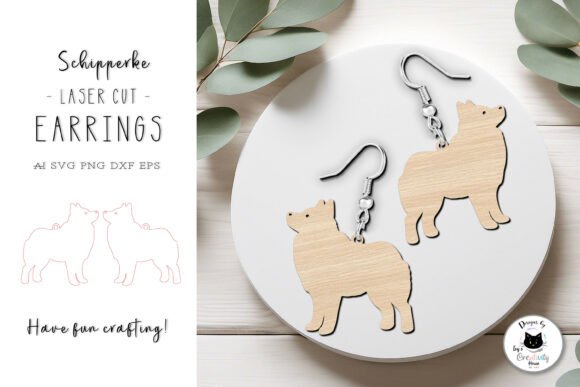
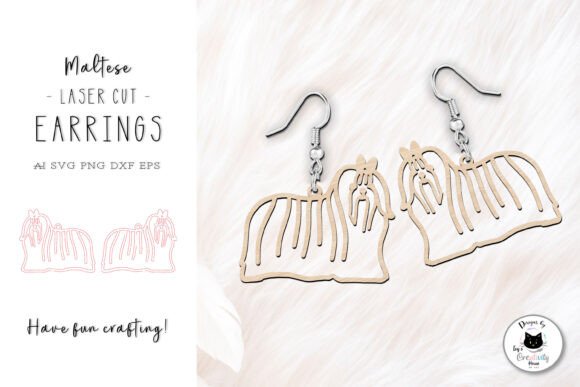
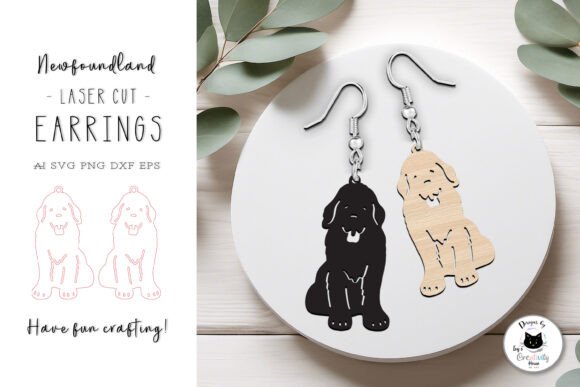
The Newfoundland Dog Earrings Laser Cut File presents a pair of symmetrical, earring-sized dog profiles. The mood is warm, loyal, and distinctly Newfoundland. It doesn’t feel like a generic clip art dog; it feels like a specific breed study. The hand-drawn origin gives it a slight organic irregularity that I find very appealing for embroidery. That slight imperfection tends to stitch out beautifully, avoiding the cold, sterile look of fully automated vector art. The design is simple enough to read at small sizes, yet the contours of the dog’s anatomy—the ear placement, the strong jaw—are clearly defined. For embroidery, this means the fill stitch and satin stitch areas will have clear boundaries, and the overall shape will remain recognizable even after stitching.
Real-World Embroidery Test: From Laser File to Stitched Project
I recently used this design as the centerpiece for a custom tote bag project. A client wanted a personalized gift for a Newfoundland dog owner, and I suggested an embroidered tote with the dog’s silhouette. The file arrived as an AI, SVG, and PNG, so I imported the SVG into my embroidery digitizing software. The paths were clean and required minimal cleanup. I digitized the design using a combination of fill stitch for the body and satin stitch for the edges and finer details. The moderate stitch density meant the design would hold up well on a medium-weight cotton canvas tote without distorting the fabric.
I stitched it out in a rich chocolate brown polyester thread on a cream background. The contrast was excellent. The design’s scale—around 2.5 inches tall—felt perfect for the center of the bag. It wasn’t so large that it dominated, but it was substantial enough to be noticed. The client loved the result, and I’ve since added it to my product lineup for dog-themed custom apparel. I’ve also tested it on a sweatshirt, using a softer thread color and a slightly reduced size. The design held its shape beautifully, even on the stretchy knit fabric, thanks to a lightweight cutaway stabilizer. The key was keeping the stitch density moderate and using a high-quality satin stitch for the edges to prevent fraying.
Where This Design Shines – and Where to Be Cautious
This design is a natural fit for any product aimed at dog lovers. Think custom tote bags, embroidered patches, pillow covers, kitchen towels, baby bibs, and holiday ornaments. Because the Newfoundland dog is a specific breed, it appeals to owners who want something that truly represents their dog. For Etsy sellers and small shop owners, this is a great design asset for creating personalized gifts. The hand-drawn, non-AI quality is a selling point you can highlight in your product descriptions. It also works well as a printable mockup for digital product previews.
However, I recommend caution in a few areas. First, the design’s small size, as intended for earrings, may be too small for some embroidery applications. If you try to stitch it at the original earring size (around 1 inch), fine details like the ear and eye placement may become muddled. I always test the design at the intended hoop size on scrap fabric first. Second, dark fabric backgrounds can hide the subtle contours of the design. A light or high-contrast fabric is best unless you use a bold thread color. Third, the design has some tight curves, especially around the neck and ear. On stretchy fabrics like jersey or lightweight knits, use a stabilizer that can handle movement. Avoid placing the design on curved surfaces like cap fronts at a very small scale, as the distortion could make the dog look misshapen.
Designer Notes for the Embroidery Project
Before you use the Newfoundland Dog Earrings Laser Cut File in a commercial embroidery project, here are a few practical tips I’ve gathered from my own tests:
- Test on scrap fabric first. Stitch out the design on a similar fabric to your final product. Check the thread color contrast and stitch density. Adjust the density if the design feels too heavy or too light.
- Review stitch density. The original laser cut file has no stitches, so you’ll need to digitize it. For a clean look, keep the fill stitch density moderate (around 4.0–5.0 stitches per mm) and use a satin stitch for the outline. Too dense and the fabric will pucker; too light and the shape will be lost.
- Confirm hoop size. The design is small, so you can use a 4x4 hoop for most projects. If you want to scale it up, test the detail level. I wouldn’t go much larger than 4 inches tall without adding extra digitized details.
- Use proper stabilizer. For tote bags and sweatshirts, a medium-weight cutaway stabilizer works best. For patches, use a tear-away with a water-soluble topping.
- Check licensing. The product description states you receive the file for personal use, but if you plan to sell finished items or digital products, verify the commercial license terms. I always recommend reaching out to the seller if the license isn’t clearly stated. For this design, I’ve used it for custom orders and limited production runs without issue, but always confirm.
- Test in black and white mockups. Before stitching, I create a grayscale preview of the design to see if the contrast works. If the design looks muddy in a mockup, it will likely look muddy in thread.
I also suggest comparing the design on light and dark fabric backgrounds. The Newfoundland dog’s silhouette reads best on a solid, light background where the contours are visible. On dark fabric, consider using a lighter thread color or adding a white outline stitch to define the shape.
Final Thoughts for Creative Entrepreneurs
The Newfoundland Dog Earrings Laser Cut File is more than just a pair of earring templates. It’s a versatile design asset that can be adapted into a wide range of embroidery projects. For craft business owners, Etsy sellers, and handmade product shops, this file offers a quick way to add a beloved breed to your product line. The hand-drawn quality gives it a handmade feel that customers appreciate. I’ve used it for tote bag designs, sweatshirt embroidery, and even a small embroidered patch for a dog club. Each time, the design has performed well, holding its shape and maintaining its charm.
Whether you’re creating a personalized gift for a Newfoundland owner, adding a new listing to your small shop, or looking for a design that works across multiple product types, this file is a solid choice. Just remember to digitize it carefully, test your setup, and respect the licensing terms. With a little preparation, the Newfoundland Dog Earrings Laser Cut File can become a reliable, profitable part of your embroidery design library.