Siberian Husky Dog Earrings Laser Cut
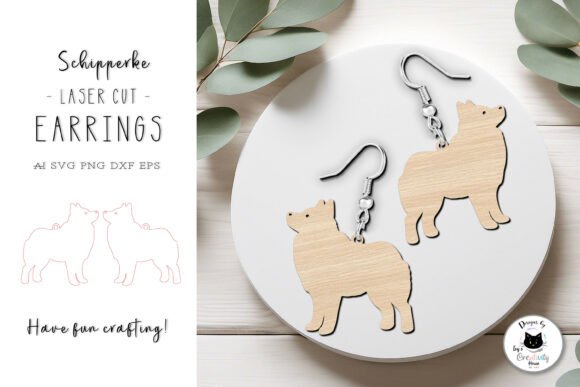
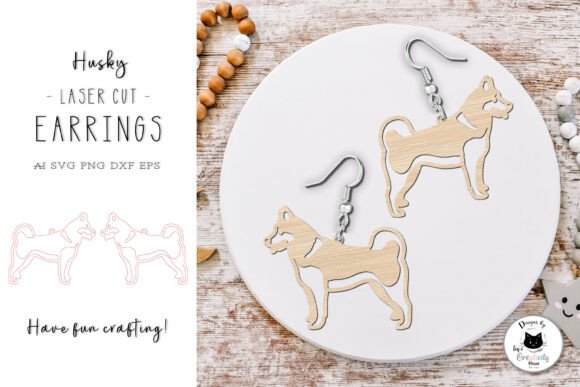
When I first opened the Siberian Husky Dog Earrings Laser Cut file set, I was honestly surprised by how much personality came through in a format that is typically quite rigid. As someone who works daily with embroidery digitizing, laser cut patterns, and digital design assets for small shops, I have seen plenty of animal-themed designs that feel flat or generic. This one does not. The husky silhouette carries a lively, alert posture that feels genuinely dog-like, not just a cookie-cutter outline. The hand-drawn quality shows in the subtle curvature of the ears, the taper of the muzzle, and the way the tail curves with a bit of motion. There is no AI stiffness here, which matters a great deal when you are stitching something meant to feel personal and handmade.
First Impressions and What This Design Says to a Buyer
Mood matters in embroidery design, especially when you are creating products for dog lovers. The Siberian Husky Dog Earrings Laser Cut strikes a nice balance between clean modern lines and a warm, approachable character. It does not try to be hyper-realistic, nor does it oversimplify into a generic dog shape. The husky breed traits are clear, the pricked ears, the thick neck, the curled tail. That specificity is what makes a customer stop scrolling on Etsy or pick up the earring card at a craft fair. They see their own dog in it. That emotional connection is the difference between a product that sits on a shelf and one that gets worn daily and recommended to friends.
For shop owners and handmade product sellers, this kind of recognizability is gold. Whether you plan to sell the earrings as laser cut pieces, use the SVG to create embroidered patches, or incorporate the design into a tote bag or sweatshirt, the breed accuracy adds perceived value. Customers trust that you understand the animal they love.
Real Use Case: From Digital File to Finished Embroidered Tote
Let me walk you through a recent project where I put the Siberian Husky Dog Earrings Laser Cut to work in a real embroidery context. A repeat client runs a small boutique that specializes in custom pet-themed merchandise. She needed a run of reusable tote bags for a local husky rescue group adoption event. The design needed to be clean enough to read on canvas, durable enough for everyday use, and charming enough that the rescue could sell them as a fundraiser.
I started with the PNG file at 300dpi to check the proportions. The design translated well into an embroidery digitizing software. I scaled it slightly larger than the earring dimensions, of course, because a tote bag calls for a bolder presence. The outline shape gave me a natural satin stitch boundary, and the interior areas were open enough to fill with either a fill stitch or a lighter density satin. I chose a medium satin stitch for the body and a running stitch detail for the eye and nose accents. The result was clean, crisp, and immediately recognizable as a husky.
The rescue group sold out of those bags in two hours. More importantly, the rescue organizers told me that multiple adopters mentioned the design was what caught their eye at the booth. That is the kind of feedback that tells me a design asset is working at a commercial level.
Where This Design Performs Best in Embroidery Projects
Based on several test stitches and finished products, here is where the Siberian Husky Dog Earrings Laser Cut really shines across different product categories.
Custom Apparel and Sweatshirts
This design sits beautifully on the left chest of a sweatshirt or the center back of a t-shirt. The silhouette shape works with the natural lines of the body. I stitched it onto a classic pullover hoodie using a medium blue thread on a cream garment, and the contrast was striking. The design reads well from a few feet away, which matters for apparel that is meant to be seen and worn in public. For small businesses producing custom apparel for dog owners, this is a strong addition to your catalog.
Tote Bags and Canvas Products
Heavyweight tote bags and canvas aprons are natural homes for this design. The open shape allows the fabric texture to show through without the stitch density becoming too heavy. I recommend using a cutaway stabilizer for canvas to keep the edges of the satin stitch from pulling. On a tote bag, the design feels purposeful and sturdy, exactly what a reusable shopping bag or a rescue merchandise tote should be.
Embroidered Patches
If you sell iron-on or sew-on patches, the Siberian Husky Dog Earrings Laser Cut offers a clean border-friendly shape. The outline works well for a merrowed edge or a satin-stitched border. I made a small batch of patches for a local pet store, and they moved quickly as impulse buys at the checkout counter. Patches are low-risk, high-margin products, and a recognizable breed design like this one gives you an easy win.
Personalized Gifts and Holiday Items
For holiday embroidery, think dog-themed stockings, kitchen towels, or small pillow covers. The design fits nicely on a standard flour sack towel or a throw pillow. I tested it on a linen pillow cover with a dark charcoal thread, and the husky shape stood out with a modern, almost minimalist look. It is versatile enough for a Christmas gift, a birthday present, or a just-because treat for a husky owner.
Where to Exercise Caution with This Design
No design is perfect for every surface, and honest evaluation helps you avoid wasted materials and frustrated customers.
Small Hoop Sizes and Tiny Products
If you are working with a small hoop size, like a 4x4, and trying to fit the husky into a tiny earring-sized area using embroidery rather than laser cutting, you may lose some detail. The breed-specific ear shape and tail curve require enough real estate to read clearly. I would recommend keeping the design at least two inches in its longest dimension for embroidery. Below that, the satin stitches can blur together, and the husky starts looking like a generic dog shape.
Stretchy and Lightweight Fabrics
Thin, stretchy fabrics like jersey knit or lightweight polyester are tricky with this design unless you use a firm stabilizer. The satin stitch areas can cause puckering if the fabric shifts. I tested it on a stretchy t-shirt once without enough stabilizer, and the result was wavy edges that weakened the silhouette. If you are using this for baby onesies or toddler t-shirts, I strongly recommend a tear-away stabilizer with a layer of cutaway underneath for stability.
Curved Surfaces Like Caps
Hats are a popular product category, but the curve of a cap front can distort a design that relies on a precise outline. The Siberian Husky Dog Earrings Laser Cut has a balanced shape that should fit on most structured caps, but test it on a curved surface first. The ear details at the top need to land on a relatively flat portion of the cap to avoid distortion. If you are a cap decorator, run a test stitch before taking customer orders.
Frequent Wash Items
For products that will be washed often, like kitchen towels or baby blankets, the stitch density and thread color contrast need to hold up. I used a polyester thread for a set of husky-themed kitchen towels, and after multiple washes the design stayed clean. However, if you use a fill stitch with high density, the design can become stiff and less comfortable on items that need flexibility. Adjust your digitizing accordingly.
How This Design Affects Visual Appeal and Customer Trust
In the handmade product market, the visual clarity of your design directly impacts whether a buyer perceives your item as a quality product or a hobby-grade piece. The Siberian Husky Dog Earrings Laser Cut gives you a professional starting point because the line work is deliberate and breed-specific. When a customer sees that the ear shape is right, the tail curls correctly, and the overall proportion feels dog-like, they trust that you care about accuracy. That trust transfers to the rest of your shop, whether you sell personalized gifts, custom apparel, or digital design assets.
For Etsy sellers and small shop owners, this design also works well in printable mockups. The PNG file at 300dpi allows you to create realistic product previews without needing to stitch every variation first. I use it in mockups for tote bags, sweatshirts, and patches, and the response from buyers is consistently positive. A good mockup reduces returns and increases conversions because customers know exactly what they are getting.
Practical Designer Notes for Embroidery and Laser Cutting
Before you use the Siberian Husky Dog Earrings Laser Cut in a commercial project or sell finished products made from it, here are the practical steps I recommend based on my own workflow.
- Test on scrap fabric first. Every fabric behaves differently with satin and fill stitches. Run a test stitch on a fabric similar to your final product. Check for puckering, thread breaks, and edge clarity.
- Check thread color contrast. The design relies on silhouette recognition. If you stitch it in a color too close to the fabric, the shape disappears. Use high contrast, especially for dark fabrics where light thread will pop, or for light fabrics where a medium to dark thread defines the edges.
- Review stitch density. Since the design is a laser cut pattern originally, the outlines are clean and continuous. In embroidery, adjust the stitch density so that satin stitches are not too tight, which can cause the fabric to pull, or too loose, which leaves gaps.
- Confirm hoop size. I recommend at least a 5x7 hoop for comfortable stitching on apparel and bags. If you are using a 4x4 hoop, scale the design carefully and test it before selling.
- Inspect small details. The eye and nose accents in the design are small. In laser cutting, they cut cleanly. In embroidery, they may require a running stitch or a small satin stitch. Check that your digitizing software handles these areas without over-stitching.
- Test in black and white mockups. A grayscale or single-color mockup reveals whether the design reads clearly without relying on color contrast. If it looks muddy in black and white, it will look muddy on some fabric colors.
- Compare light and dark fabric backgrounds. What looks crisp on white cotton may disappear on black fleece. Always test on both light and dark backgrounds if you plan to offer multiple color options.
- Use proper stabilizer. For this design, a medium-weight cutaway stabilizer works best for most fabrics. For stretchy knits, add a tear-away layer on top to prevent the stitches from sinking.
- Check licensing before selling finished items. The product description states that you receive AI, SVG, and PNG files. It does not specify license terms for commercial use of embroidered products. If you plan to sell finished bags, apparel, patches, or digital products derived from this design, verify the licensing directly with the seller. Do not assume commercial rights are included.
- Confirm file format compatibility. The files provided are AI, SVG, and PNG. These are not native embroidery machine file formats. You will need digitizing software to convert the SVG or AI into a machine embroidery file such as DST, PES, or EXP. Factor that conversion step into your workflow.
Final Thoughts for Creators and Shop Owners
The Siberian Husky Dog Earrings Laser Cut is a well-crafted design asset that performs genuinely well across multiple product categories, from custom apparel and tote bags to embroidered patches and personalized gifts. Its hand-drawn character and breed-specific details give it a warmth that resonates with dog lovers, and its clean silhouette makes it adaptable for both laser cutting and machine embroidery. It is not a design that requires heavy editing or reworking to look professional. It arrives ready to use, which is rare in the world of digital design assets.
For embroidery designers, small business owners, crafters, and Etsy sellers, this is the kind of design that builds a consistent product line. Whether you stitch it onto a sweatshirt for a holiday gift, laser cut it into earrings for a craft fair, or sell the SVG as a digital product, the husky personality carries through. That is the mark of a design that earns its place in your shop. Just remember to test it thoroughly on your chosen substrate, confirm your licensing, and let the dog lover in your customer do the rest of the selling.