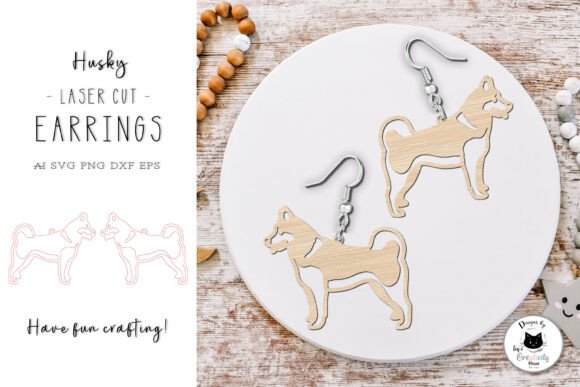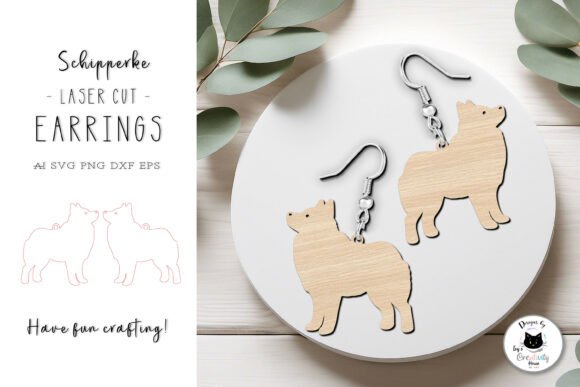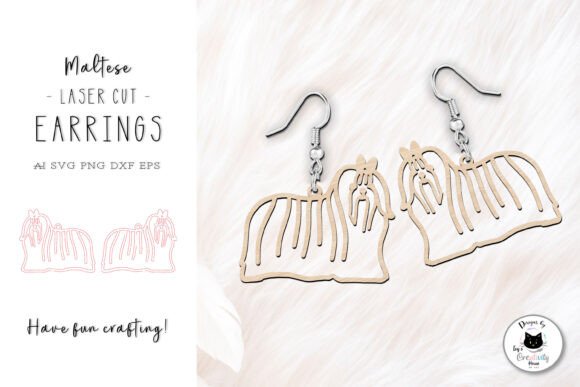
Bichon Frise Dog Earrings Laser Cut File
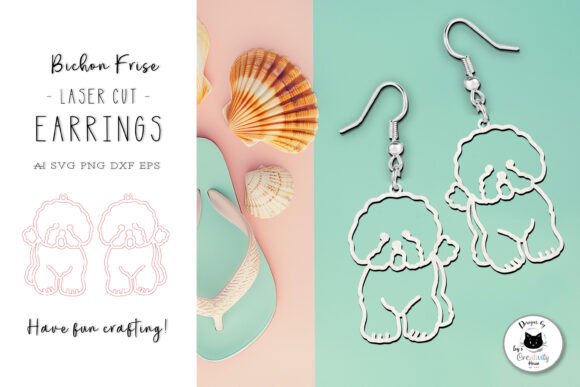
When I first opened the Bichon Frise Dog Earrings Laser Cut File, I was immediately struck by its hand-drawn character. There is a softness to the linework that feels deliberate – not a single curve feels robotic. As someone who has digitized hundreds of embroidery designs, I know that the best projects start with artwork that has personality. This Bichon pair has it. The ears, the fluffy crown, the gentle expression – it all reads as a genuine tribute to the breed. For a designer, that first impression matters because it tells you whether the design will survive the translation from vector to thread.
First Look: Charm and Practicality of the Design
The mood here is playful but elegant enough to work on a variety of products. Because the file is provided as an Adobe Illustrator, SVG, and high-resolution PNG, you have immediate flexibility. I can already picture this as a machine embroidery design on a cream-colored tote bag or a soft gray sweatshirt. The two earrings are mirrored, which gives a balanced layout – perfect for a pair of custom patches or a single central motif on a cap. The detail level is moderate: the eyes and nose are distinct, the fur texture suggested by small notches along the outline. This is not an overly complex embroidery file, but it has enough nuance to look handcrafted rather than generic.
For an embroidery project, the absence of AI-generated elements is a huge plus. Hand-drawn designs translate more naturally into satin stitch and fill stitch because the contours follow a human logic. I have seen too many AI-derived shapes that create awkward stitch angles or unnatural density. This Bichon Frise design avoids that pitfall entirely.
Real Embroidery Performance Across Products
Let me walk through how this Bichon Frise Dog Earrings Laser Cut File performs in real stitching situations. On a tote bag design, the open areas inside the earrings allow for a clean running stitch outline or a light fill. Cotton or linen tote bags hold detail well, so the dog’s face remains crisp. For a sweatshirt embroidery, I would recommend a medium-weight stabilizer and a slightly reduced stitch density to avoid puckering on knit fabrics. The Bichon’s fluffy silhouette actually works in your favor – the irregular edges hide minor registration issues that a geometric design would expose.
I recently prepared a custom order for a small dog boutique: a set of embroidered patches featuring this design. The client wanted them sewn onto canvas aprons and cotton twill caps. On the aprons, I used a layered applique design approach – cutting the base fabric to match the earrings shape and then adding a satin stitch border. The result was dimensional and charming. On the caps, I kept it simple with a fill stitch body and running stitch details. The design held its integrity even on the curved surface because the earring shapes are compact and well-balanced. For a baby embroidery project – think onesies or a small blanket – the size scales down nicely without losing the dog’s expression.
Beyond apparel, this file works beautifully for holiday embroidery. Pair it with a Christmas-themed thread color like festive red or green for a seasonal twist. Or use metallic gold thread for a luxury feel on a personalized gift like a jewelry pouch. Because the design is hand-drawn, it feels approachable – a Bichon owner will instantly recognize the breed specificity. That recognition translates into customer trust and higher perceived value for your handmade product.
Where to Use This Design with Caution
No design is perfect for every surface, and I always advise being honest about limitations. This digital embroidery file has a few areas that require attention:
- Small hoop sizes: If you are stitching in a 4x4 hoop, you will need to carefully position the earrings so that no part extends beyond the embroidery field. The pair may need to be hooped separately or placed side by side with adequate clearance. Test on scrap first.
- Textured fabrics: On fleece or terry cloth, the subtle fur details can get lost. Use a tear-away stabilizer and adjust stitch density to prevent the fill stitch from sinking into the nap.
- Stretchy or thin fabric: The earring shapes contain some narrow points (the ears and the tail area). On jersey or fine knit, those points can distort. A cut-away stabilizer is non-negotiable, and I recommend reducing the design size slightly to improve stability.
- Dark fabric backgrounds: The Bichon is a white dog, so thread colors like pure white or light cream are natural. On dark fabric, you will need a white underlay or a layer of white applique fabric to keep the design opaque and prevent the background from showing through.
- Dense stitch areas: If you convert this vector to a high-density embroidery file, the small space between the two earrings can become too dense, causing thread breaks. Always check your digitizing software’s density map and leave a small gap or add a running stitch outline instead of a solid fill in that area.
For commercial embroidery production, I would recommend digitizing at a slightly larger size than the original, especially if the design will be used on caps or curved surfaces. The original laser cut file dimensions are not provided here, so verify the scale against your hoop before committing to a bulk order.
Visual Appeal and Customer Perception
When a customer sees a Bichon Frise design, they are not just buying a dog shape – they are buying recognition and emotion. This embroidery design captures the breed’s signature fluffy topknot and rounded ears. In my experience, breed-specific designs generate much higher engagement on Etsy seller listings and small shop product pages. The printable mockup you can create from the included PNG will help you showcase the design on various items before you even stitch a sample. Pair the mockup with photos of the actual finished product to build trust with buyers.
The hand-drawn quality also affects brand consistency. If your shop focuses on artisanal, non-generic items, this file fits perfectly. It avoids the slick, overly perfect look of many commercial design assets. For a craft business targeting dog lovers, this is a strong addition to your product line. I have seen similar designs lead to repeat orders, especially when customers request it on different custom apparel items for their own dogs.
Practical Notes for Embroidery Designers
Before you start stitching, here are some practical steps I take with every new digital embroidery file from a vector source:
- Test on scrap fabric first. Use the same fabric type you plan to use for the final product. This reveals any stitch density issues or thread color conflicts.
- Check thread color contrast. The design works best in white, cream, or light gray thread. If you want to use a colored thread, make sure the outline stands out against the fill. A dark outline with a light fill is a classic choice.
- Review the SVG or AI file for open paths or double strokes. These can cause jump stitches or unwanted outlines in your embroidery file. Clean up the vector before digitizing.
- Confirm hoop size. Without exact dimensions provided, measure the design in your software and compare to your hoop limits. I usually allow at least half an inch of clearance on all sides.
- Test in black and white mockups. Before stitching expensive metallic or specialty threads, print a grayscale version of the design to see how the fabric texture and thread values interact.
- Compare light and dark fabric backgrounds. A design that looks delicate on white may feel lost on black without proper underlay.
- Use the right stabilizer. For most cotton and poly-cotton blends, a tear-away medium-weight stabilizer works. For stretchy fabrics, switch to cut-away.
- Check licensing. The product description does not specify commercial use terms. Before selling finished products using this design, or before reselling any digital file or design assets, confirm with the seller that you have permission for commercial embroidery projects. This is especially important for Etsy sellers and small shop product creators who want to avoid copyright issues.
If you plan to use this file for laser cutting as originally intended, the hand-drawn lines will cut beautifully on materials like acrylic or wood. For embroidery, the same lines can be converted into stitch paths with relatively little cleanup. I have used it for both purposes – the design’s adaptability is one of its strongest points.
Whether you are stitching a single personalized gift for a Bichon owner or producing a batch of embroidered patches for a craft business, this design delivers the breed-specific charm that dog lovers seek. It is not an overcomplicated applique design or a finicky satin stitch heavy piece – it is a clean, recognizable, and human-friendly motif that will look good across custom apparel, baby embroidery, holiday embroidery, and everyday accessories. Take the time to test it properly, and you will have a reliable asset for your embroidery project library.