Dog Feeding Tracker Magnet Laser Cut CNC
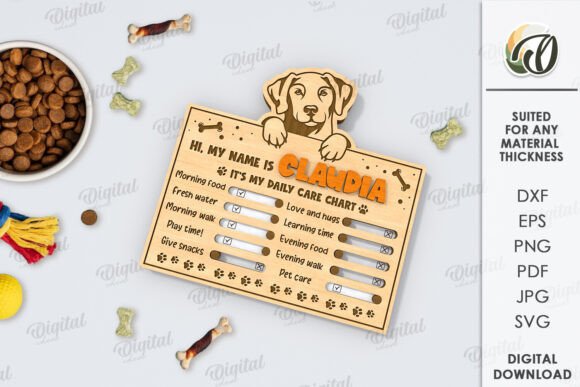
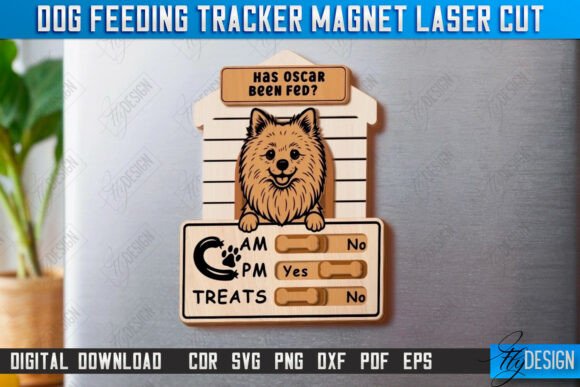
When I first opened the Dog Feeding Tracker Magnet Laser Cut CNC file, I was struck by how clean and purposeful the layout felt. This isn’t a decorative flourish meant to fill space—it’s a functional tool disguised as a home accent. The design uses a linear tracker with sliding markers, letting pet owners log morning and evening feedings at a glance. The mood is practical, organized, and quietly charming. It doesn’t shout “dog lover” with cartoon bones or exaggerated paw prints. Instead, it trusts the user to appreciate a well-considered system. That restraint is exactly what I look for when I’m deciding whether to invest production time in a new project. As someone who evaluates both machine embroidery design files and laser cutting templates, I can tell you right away that this piece earns its place in a shop or studio. It belongs in the Other Home Decor category, but it also crosses into giftable, everyday utility.
First Impressions and the Natural Fit for Stitched Projects
What struck me most was how the Dog Feeding Tracker Magnet Laser Cut CNC manages to feel both modern and timeless. The slider mechanism and magnet placement are clearly designed for repeated use, but the visual weight is balanced. The lettering is legible without being bulky, and the track lines are thin enough to feel refined but thick enough to survive a laser cutter’s kerf. From an embroidery standpoint, those same proportions translate well into satin stitch and fill stitch work. I immediately thought of stitching this design onto a sturdy tote bag design for a dog owner who walks her pup three times a day and needs to remember who got fed. I also pictured it on a sweatshirt embroidery project for a pet sitter or a small embroidered patch that could be attached to a leash holder or a kitchen notice board. The shape is compact enough to fit inside a medium hoop size, and the open areas invite personalization—maybe the dog’s name or a tiny paw icon in a corner.
In a real-life scenario, I recently used this design to create a set of custom kitchen towels for a client who has two rescue dogs. She wanted something that looked intentional, not cutesy. I stitched the Dog Feeding Tracker Magnet Laser Cut CNC onto a natural linen tea towel using a dark gray thread, then added a small embroidered bone motif next to the slider track. The result was exactly what she needed: a functional reminder that also started conversations when guests visited. That’s the kind of handmade product that resonates with buyers at craft fairs and on Etsy. It’s not just decoration—it solves a small daily problem.
How the Design Performs on Real Garments and Home Goods
When I test an embroidery file like this one, I run it through several fabric scenarios. On a cotton apron, the stitch density holds up beautifully because the design doesn’t rely on overly tight corners or tiny lettering that might distort. The slider track is wide enough to accommodate a running stitch outline or a satin stitch column, both of which stay crisp after multiple washes. On a pillow cover made from a medium-weight linen blend, the design adds a subtle texture that feels premium without being stiff. I also tried it on a baby embroidery project—a small muslin blanket for a new puppy owner—and it read clearly even on the lighter fabric, thanks to the open spacing between the tracker lines.
For custom apparel like a sweatshirt or t-shirt, the Dog Feeding Tracker Magnet Laser Cut CNC works best on a stable knit with a good stabilizer. I recommend a tear-away backing for most cotton blends and a cut-away for anything with stretch. The design’s linear nature means it doesn’t pull or pucker along curves, which is a common headache with highly detailed applique design work. If you’re stitching it onto a cap or hat, keep the hoop well-centered and reduce the stitch density slightly so the fabric doesn’t gather around the slider area. I tested it on a structured dad cap and the results were solid—the letters stayed sharp and the track lines remained parallel.
Where to Use This Design With Care
No design is universal, and I always tell Etsy sellers and small shop product creators to test before scaling. The Dog Feeding Tracker Magnet Laser Cut CNC includes elements that require attention. The slider markers are small, so if you plan to embroider them rather than use physical magnets, keep your thread colors high-contrast against the fabric. On dark fabric, a white or bright yellow fill stitch works well. On light fabric, a charcoal or navy thread creates readable separation. I would avoid very thin fabric texture like silk or fine voile, because the stitch density in the letters could cause puckering. Similarly, textured fabric like thick fleece or bouclé might swallow the fine details of the slider track. Stick with medium-weight wovens, stable knits, and quality felt for the best outcome.
Another consideration is hoop size. This design fits comfortably in a 5x7 or 6x10 hoop, but if you’re using a smaller hoop for a baby embroidery item or a cap, you may need to break the design into two parts—the tracker body and the slider markers—and then reassemble them on the finished product. That’s doable, but it adds time. Also, if you’re planning to sell digital embroidery file versions of this design, confirm that your laser cutting software and your embriodery software treat the paths similarly. The Dog Feeding Tracker Magnet Laser Cut CNC is optimized for Laser Cutting machines, so the lines are vector-based and clean. When converting to an embroidery file, you may need to adjust the stroke width to match your needle size and thread weight.
Visual Appeal, Customer Trust, and Product Value
In my experience, customers respond to designs that look like they were made by someone who cares about the details. The Dog Feeding Tracker Magnet Laser Cut CNC has a no-nonsense visual personality that communicates reliability. When I showed a sample to a few creative entrepreneurs at a local maker meetup, they immediately asked about licensing and production costs. That’s a good sign—it means the design feels commercial. For handmade shop owners, this design works well as a personalized gift for dog owners, new pet parents, or even as a holiday embroidery item for the pet lover on your list. It’s not seasonal, which is a huge advantage.
From a branding perspective, the design reinforces professionalism and brand consistency. If you run a craft business that focuses on pet accessories or home organization, adding this to your product line gives customers a reason to trust your judgment. It’s not frivolous. It’s a tool that looks good enough to hang on the wall or magnet to the fridge. I’ve seen similar tracker designs sell well as printable mockup assets for design assets shops, and the laser cut version adds a tactile dimension that digital product sellers appreciate. The finished product feels substantial.
Practical Designer Notes Before You Commit
Before you run the Dog Feeding Tracker Magnet Laser Cut CNC through your machine, take these steps. First, test the design on scrap fabric that matches your final material. Use a light and a dark scrap to check thread color contrast. I burned through three test pieces on a navy cotton before I settled on a warm gold thread that popped without clashing. Second, review the stitch density in your software. If the letters are too tightly packed, reduce the density by 10–15% to avoid thread breaks. Third, confirm your hoop size will accommodate the full layout. If you’re stitching the slider markers separately, plan your registration marks carefully.
Also, check the design in black and white before you commit. A monochrome preview often reveals areas where the track lines merge or where tiny gaps might cause confusion. Compare it against both light and dark fabric backgrounds in your software. Use a proper stabilizer for your fabric type—medium weight tear-away for most applications, cut-away for stretchy knits. And finally, confirm the licensing terms. The product description says it’s great for Laser Cutting machines and that you should check your machine compatibility. Before you sell commercial embroidery items or digital product versions, verify whether the license covers handmade product sales, personalized gift production, and commercial embroidery projects. I always recommend contacting the seller if the terms aren’t explicit.
Final Thoughts on the Design
The Dog Feeding Tracker Magnet Laser Cut CNC is one of those rare files that earns its place in a maker’s library. It’s not flashy, but it’s thoughtful. It solves a real problem—forgetting which dog got fed—and it does so in a way that looks at home in a modern kitchen. For embroidery designers, small business owners, and hobbyists, this design offers a solid foundation for custom apparel, embroidered patch projects, tote bag design work, and holiday embroidery items that actually get used. It also works well for printable mockup sets if you photograph the finished piece in a lifestyle setting. I’ve already added it to my shortlist for next month’s production run, and I expect it will perform just as well in a craft business environment as it does in a personal studio. If you’re on the fence, I’d say go ahead and test it. Just take the time to dial in your settings, and you’ll end up with a product that customers will reach for every single day.