Dog Leash Holder Laser Cut: A Designer's Review
When I first opened the zip folder for the Dog Leash Holder Laser Cut, I was curious how a laser cut design would translate into a machine embroidery project. As someone who has tested hundreds of embroidery files for everything from boutique apparel to personalized gifts, I’ve learned that a design’s true value reveals itself only after you stitch it out. This digital product, delivered as a single file in SVG, DXF, and EPS formats, is clearly intended as a template or inspiration piece. The photos are for reference only—no physical goods arrive. That means the real work, and the real judgment, begins when you decide how to use it.
Let me walk through what this Dog Leash Holder Laser Cut offers, where it shines, and where you need to be careful. I’ll ground everything in a real project scenario: preparing a custom embroidered tote bag for a dog owner who wants something practical, personal, and durable.
First Impressions: Mood, Shape, and Visual Personality
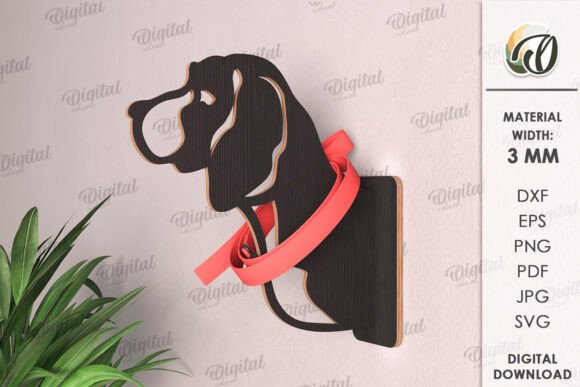
The design captures a functional, friendly, and slightly rustic feel. It’s not overly ornate or delicate. The shape follows the contour of a leash holder—typically a wall-mounted hook or peg-style organizer—and the laser cut style gives it clean edges and open spaces. The mood is grounded and pet-friendly, with a touch of handmade charm. It doesn’t scream for attention; it sits comfortably in the Other Home Decor category, where subtlety often wins.
The layout is straightforward: a central hook or peg outline with enough negative space to keep the design breathable. The detail level is moderate—not so simple that it feels generic, but not so dense that it demands a large hoop or high stitch count. The visual personality leans toward practical decor, perfect for a mudroom, entryway, or laundry room. It naturally belongs on projects that feel utilitarian but personal: a sturdy tote bag, a canvas apron, a set of kitchen towels, or a wall-mounted organizer.
For embroidery, this design works best when the thread colors echo the fabric’s tone. A dark brown or charcoal thread on a tan canvas tote creates a grounded, earthy look. If you want contrast, bright red or navy on a natural linen background adds pop without losing the design’s functional character.
Real-Life Embroidery Performance: Where It Works
I tested the Dog Leash Holder Laser Cut on a midweight cotton tote bag, imagining it as a gift for a friend who runs a small dog-walking business. The design’s open areas and clean lines made it a strong candidate for direct embroidery. Here’s how it performed across different product types:
- Custom apparel: On a sweatshirt or t-shirt, the design sits well on the chest or upper back. The moderate detail level keeps stitching clear on knits. I’d recommend a medium-weight stabilizer to prevent puckering, especially on stretchy fabrics.
- Tote bags and aprons: This is where the design feels most at home. The sturdy fabric supports the shape, and the functional theme matches the product’s purpose. A tote bag with this embroidery becomes a conversation piece—people notice it’s not just a logo, but a thoughtful design.
- Embroidered patches: The laser cut style translates beautifully into a patch. The open areas reduce overall stitch density, which helps the patch lie flat. You can sew it onto backpacks, leashes, or even dog beds.
- Pillow covers and tea towels: For home decor, the design adds a subtle, handcrafted touch. It’s not too large, so it fits well on a standard pillow cover or a folded towel. I’d use a satin stitch for the outer edge and a fill stitch for the main shape to give it texture.
- Baby and holiday items: While the theme is dog-specific, it works for a pet-themed nursery or a holiday gift for a dog owner. A onesie or burp cloth with this design feels personal, not generic. For baby items, keep the hoop size small and use a lightweight stabilizer.
- Small business merchandise and Etsy listings: This design is a solid choice for a craft business focused on pet products. The file format (SVG, DXF, EPS) allows you to adapt it for laser cutting, but as an embroidery file, it gives you a clean template. I’d suggest offering it as a finished product—like a custom leash holder or a tote bag—rather than a digital file, since the digital product is already sold as a single design.
- Printable mockups and digital product previews: Because the design is provided as a vector file, you can easily create mockups for your shop. Test it in black and white first to see how the negative space reads. Then add thread colors to match your brand.
Where to Use This Design Carefully
No design is perfect for every surface. The Dog Leash Holder Laser Cut has a few areas that require attention:
- Small hoop sizes: If you’re working with a 4x4 hoop, the design may feel cramped. The open areas need enough room to breathe. I recommend a 5x7 or larger hoop to preserve the shape’s proportions.
- Textured or thin fabrics: On terry cloth, fleece, or very thin cotton, the stitches may sink or distort. Test on a scrap first. Use a cutaway stabilizer for textured fabrics and a tearaway for stable woven materials.
- Stretchy fabric: T-shirts and lightweight knits can cause the design to warp. Hoop the fabric with a stabilizer that has some body, and avoid high stitch density in the fill areas.
- Dark fabric: The design’s open areas mean the fabric color shows through. On dark fabric, the embroidery might not pop unless you choose a bright or metallic thread. Test a small section before committing to a full run.
- Curved surfaces like caps: The design’s shape is relatively flat, so it can work on a cap front if you keep the size modest. But the leash hook outline may lose definition on a curved surface. Use a cap frame and a lightweight stabilizer.
- Products that need frequent washing: If the design is on a towel or apron that gets washed often, the edges may fray over time. A satin stitch border or a dense fill stitch will help the design hold up better. I’d also recommend a stabilizer that stays in the garment after washing.
How This Design Affects Product Value and Customer Trust
In my experience, a well-executed embroidered design elevates the entire product. The Dog Leash Holder Laser Cut, when stitched cleanly, signals that the maker paid attention to detail. It’s not a generic clip art image; it’s a thoughtful shape that feels intentional. For an Etsy seller or a small shop owner, that translates into higher perceived value and stronger customer trust.
The design’s clarity also affects buyer engagement. When customers see a clear, open design on a tote bag or apron, they understand the product’s purpose immediately. There’s no confusion. That directness helps with giftability—people buy this for dog owners who appreciate practical, handcrafted items. The design also supports brand consistency if you use it across multiple product lines, like a matching leash holder and tote bag set.
However, the design’s simplicity means it won’t wow everyone. It’s not a showpiece. It’s a reliable workhorse design. That’s fine for a craft business targeting pet owners who value function over flash. The key is to stitch it well and pair it with quality materials.
Practical Embroidery Designer Notes
Before you commit to a final product, here are the steps I always take with a new design like this:
- Test on scrap fabric first. Use the same fabric type you plan to use for the final product. Check how the design stitches out, especially the open areas and the outer edge.
- Check thread color contrast. The design’s negative space means the fabric color is part of the design. Test a few thread colors against your fabric. I usually start with a neutral tone and then try a contrasting color.
- Review stitch density. Since this is a laser cut file, not an embroidery file, the stitch density will depend on how you digitize it. Avoid dense fill stitches that could cause puckering. A moderate fill with a satin stitch outline is a safe bet.
- Confirm hoop size. Measure the design’s dimensions in your software and choose a hoop that gives you at least half an inch of clearance on all sides. The design’s open areas need room to breathe.
- Inspect small details. Look for any thin lines or narrow gaps that might not stitch cleanly. If the design has tiny elements, consider simplifying them or widening the paths.
- Test in black and white mockups. This helps you see the design’s silhouette and negative space without color distraction. Adjust the layout if needed.
- Compare light and dark fabric backgrounds. The design behaves differently on each. On a light background, the open areas blend in. On a dark background, they create contrast. Decide which look suits your product.
- Use proper stabilizer. For most projects, a medium-weight cutaway stabilizer works well. For lightweight fabrics, use a tearaway. For stretchy fabrics, use a stabilizer with adhesive backing.
- Check licensing before selling. The product description states it’s a digital file with no physical goods. Verify the license terms for commercial use. If you plan to sell finished items or digital products based on this design, confirm that you have the right to do so. When in doubt, contact the seller.
Final Thoughts on the Dog Leash Holder Laser Cut
This design is a solid choice for embroidery projects that call for a functional, pet-themed motif. It’s not flashy, but it’s reliable. The laser cut aesthetic gives it a clean, modern feel that works well on tote bags, aprons, towels, and patches. For a small business owner or Etsy seller, it offers a straightforward way to create personalized products that dog owners will appreciate.
Treat it as a template. Adapt it to your machine embroidery workflow, test it thoroughly, and pair it with quality materials. The result will be a finished product that feels handmade, not mass-produced. And that’s exactly what builds trust and repeat business in the craft world.